Forklift & Mobile Equipment Training

Forklift and mobile equipment incidents are high-impact and often preventable. Use this page to find practical online training for forklift, skid steer, telehandler, and related operator safety needs.

Compliance Overview

Forklift Training Online Canada: Theory and Practical Evaluation

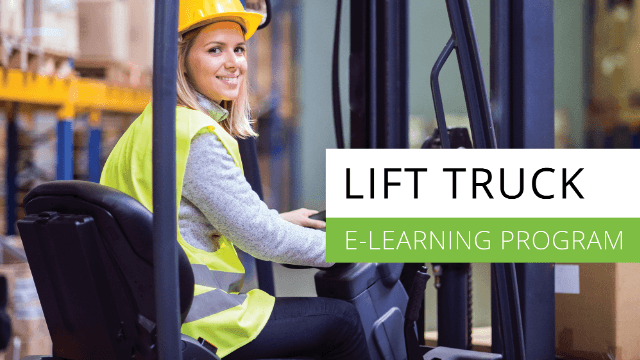
Forklift training online in Canada is commonly used to deliver theory content quickly, including stability principles, pedestrian interaction risks, and equipment checks. Online modules improve consistency across teams, but employers usually still require practical evaluation before a worker is authorized to operate equipment independently.

The best programs clearly separate knowledge from authorization. Workers complete theory first, then demonstrate safe maneuvering, load handling, and situational decision-making in the local environment. This two-step approach helps supervisors validate competence and reduces assumptions when operators move between facilities.

Counterbalance, Telehandler, and Skid Steer Training Differences

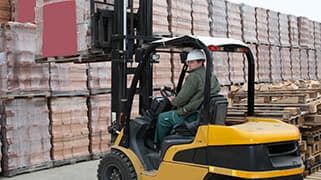
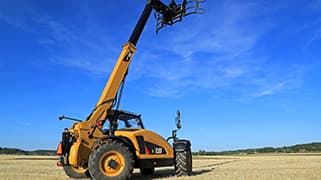
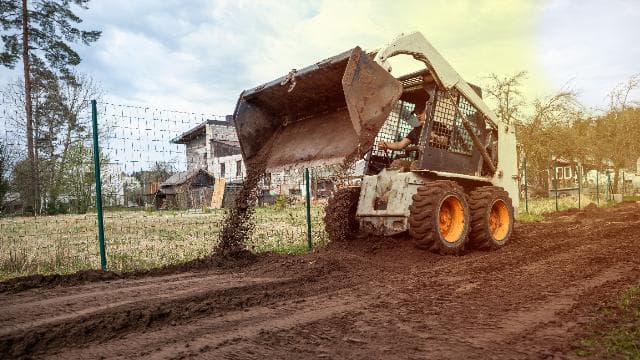
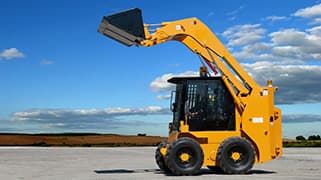
Mobile equipment categories are not interchangeable. Counterbalance forklifts, telehandlers, and skid steers each involve different load behavior, visibility limits, and hazard patterns. Training should match the exact machine class and work setting rather than using a generic equipment course for all operators.

When teams run multiple equipment types, assign role-specific modules and practical checks for each class. This avoids credential ambiguity and improves accountability. It also strengthens dispatch planning because supervisors can confirm workers are trained for the machine and task, not just for mobile equipment in general.

Forklift Recertification and Refresher Training Timing

Forklift recertification schedules vary by employer policy, incident history, and operational risk. In practice, refresher triggers often include long gaps in operation, near misses, equipment changes, or role transitions. Waiting for a fixed calendar date alone can leave skills unverified when conditions have already changed.

A reliable refresher program blends periodic renewal with trigger-based retraining. Supervisors should document why retraining was assigned and how competency was revalidated. This supports due diligence and reduces preventable variance in operator behavior across shifts, departments, and site layouts.

Pre-Shift Inspection Training and Documentation

Pre-shift inspection training is a core control in forklift and equipment safety. Operators should know how to identify defects, remove unsafe units from service, and escalate issues using standard documentation. Strong inspection practice reduces mechanical surprises during lifting, travel, and high-consequence movement near people.

Organizations that train inspections effectively also standardize forms, escalation rules, and supervisor response times. This turns inspection from routine paperwork into an operational safety signal. Clear records can reveal recurring defects, inform maintenance priorities, and strengthen audit confidence.

Forklift Training for Supervisors and Multi-Site Teams

Supervisors need working knowledge of forklift risk controls even when they are not daily operators. They make task assignments, approve workflows, and enforce pedestrian controls. Without training context, supervisor decisions can unintentionally increase exposure or create inconsistent standards across shifts.

Multi-site organizations should align operator and supervisor training matrices so transfer decisions are traceable. Pair forklift pathways with related topics such as fall protection for elevated work platforms and construction site field safety where operations overlap. Interlinked training plans make compliance easier to manage at scale.

How to Standardize Mobile Equipment Authorization Across Facilities

Organizations running multiple warehouses or plants should separate course completion from equipment authorization status. Operators may complete online theory, but local sign-off should still confirm safe behavior in that specific layout, traffic pattern, and load profile. This distinction helps reduce transfer risk when staff move between locations.

A standardized authorization workflow should include machine class, evaluator sign-off, refresher triggers, and supervisor ownership. Linking these controls to forklift, aerial lift, and construction field safety pathways gives coordinators a practical way to manage mixed operations. Consistent authorization records also improve confidence during audits and incident reviews.

Common Forklift Training Search Terms and Assignment Checklist

Teams commonly search for forklift training online Canada, forklift recertification, telehandler operator training, skid steer safety course, and powered industrial truck refresher. Mapping these search terms to internal training pathways helps coordinators match requests to approved modules and reduces delays during onboarding or transfer.

An assignment checklist should confirm machine class, task context, practical sign-off status, and supervisor authorization before operation begins. Integrating forklift pathways with aerial lift and construction field safety content strengthens consistency where equipment and site risks overlap. Interlinked training decisions improve both compliance confidence and day-to-day execution quality.

Related compliance pathways: Fall Protection & Aerial Lift Training, Construction Site & Field Safety Training and TDG Online Training.

Popular Courses For This Topic

Browse related online courses and open any course for full details.

Related Topics

View all topics

Topic

Fall Protection & Aerial Lift Training

Topic

Construction Site & Field Safety Training

Topic

TDG Online Training

Also Browse by Industry

Use industry hubs to view course groupings for sector-specific search intent.

View all industries

Frequently Asked Questions

Is online forklift training accepted by employers in Canada?

Many employers across Canada use online forklift theory training as part of their certification pathway, especially for onboarding and recertification planning. In most workplaces, online learning is used for knowledge components such as hazard awareness, controls, stability basics, and inspection principles. Employers may also require practical evaluation and site-specific orientation before authorizing operation. Acceptance therefore depends on role, equipment type, and company policy, not just course completion alone. If you are preparing for work quickly, complete online training first and confirm practical sign-off requirements with the employer before operating equipment.

Do I need a practical evaluation after online forklift training?

In many workplaces, yes. Practical evaluation is commonly required before a worker is fully authorized to operate powered mobile equipment. Online training covers core knowledge, but practical assessment confirms the operator can apply that knowledge safely under real conditions, including maneuvering, load handling, and site rules. Employers in high-risk environments often document both components for due diligence. A common approach is theory first, then practical check with a qualified evaluator. If you are moving between employers, expect another practical review because equipment, traffic flow, and hazard controls vary by site.

How often should forklift training be refreshed?

Refresh schedules vary by employer, equipment type, and incident history, but many organizations refresh periodically or after operational changes. Refresher triggers often include near-misses, equipment upgrades, role changes, or long gaps in operation. Employers may also require retraining when workers transfer between facilities with different layouts and traffic patterns. Across Canada, the practical standard is to ensure operators remain competent for assigned tasks, not simply to rely on old records. Keeping training current helps supervisors verify readiness and reduces risk during audits, insurer reviews, and client site compliance checks.

What is the difference between counterbalanced forklift and telehandler training?

Counterbalanced forklift training and telehandler training address different equipment behavior, operating limits, and hazard profiles. Counterbalanced units are common in warehouses and yards, while telehandlers are frequently used in construction and mixed-terrain settings with extended reach requirements. Training should match the equipment class the worker will actually use. Employers typically do not treat these as interchangeable endorsements because load dynamics and operating environments differ. If your team uses more than one machine type, assign separate role-specific modules plus practical evaluation for each unit to ensure workers understand the relevant controls and limitations.

Do experienced operators still need forklift training when changing employers?

Usually yes, because employers are responsible for verifying competence in their own operating environment. Even experienced operators may face different equipment models, load types, aisle constraints, traffic controls, and pedestrian exposure risks. Most employers therefore require documented onboarding training and a practical check before authorizing operation. This is common across Canada, especially in multi-shift warehouses and industrial facilities with strict incident prevention targets. Prior experience is valuable, but it is generally treated as supporting evidence rather than a complete substitute for current employer-specific forklift training and authorization.

Why are pre-shift inspection courses important for operators?

Pre-shift inspections are one of the most effective ways to prevent avoidable equipment incidents. Training helps operators identify common defects, document findings correctly, and escalate issues before equipment is placed into service. In practical terms, inspection discipline protects workers, reduces unplanned downtime, and supports maintenance planning. Employers and clients also view inspection records as evidence of a functioning safety process. For teams operating multiple units, consistent pre-shift training creates shared standards across shifts. When inspections are done well, operators catch hazards early instead of discovering problems during lifting, travel, or tight-space maneuvering.

Do supervisors need forklift training if they do not operate daily?

Supervisors often need at least enough forklift safety training to oversee work, enforce controls, and coach operators effectively. Even if they are not operating equipment every day, supervisors make decisions about task setup, traffic routing, load handling expectations, and incident response. Without equipment awareness, those decisions can unintentionally increase risk. Many employers therefore assign supervisor-focused forklift modules plus site rules to support safe work planning. In operations with high equipment activity, supervisor understanding is a key control. It also improves communication quality during audits, toolbox talks, and post-incident reviews.

What proof of forklift training should workers keep available?

Workers should keep whatever training proof their employer or client site requires, such as digital completion records, internal authorization cards, or documented practical evaluations. Requirements vary across sectors, but operations teams usually need a quick way to verify that operators are approved for specific equipment classes. In contractor settings, proof may be requested before site access is granted. A practical approach is to keep digital records easily accessible and ensure supervisor rosters are up to date. Clear documentation reduces delays at dispatch, avoids site-entry issues, and helps employers demonstrate compliance during audits.