Fall Protection & Aerial Lift Training

Work-at-height incidents remain one of the most severe risk categories in construction and industrial operations. This page helps teams quickly find fall protection and aerial lift courses that align with common site requirements.

Compliance Overview

Fall Protection Training Online Canada Requirements

Fall protection training online in Canada is commonly used to establish baseline competence before workers perform elevated tasks. Effective programs focus on hazard recognition, control hierarchy, and practical decision points around anchorage, clearance, and rescue readiness. The goal is consistent judgment, not simple certificate completion.

Employers should align fall protection assignments with task exposure, surface conditions, and equipment type. A role-based model helps avoid overtraining low-risk roles while ensuring high-risk workers receive targeted content. Consistent baseline training also improves pre-job planning and supervisor oversight quality.

Aerial Lift and MEWP Training: Boom vs Scissor Lift

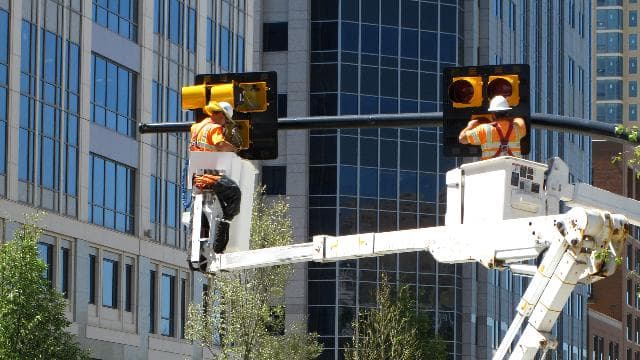
Aerial lift and MEWP training should distinguish between boom and scissor applications because operating limits and hazard profiles differ. Travel behavior, ground conditions, and rescue considerations are not the same across machine classes. Operators need class-specific instruction tied to the equipment they actually use.

Where fleets include multiple platform types, organizations should track qualification by machine category and environment. This reduces assignment errors and helps coordinators staff work safely. Integrating aerial lift pathways with mobile equipment and site safety training creates clearer authorization boundaries.

Harness, Anchorage, and Lanyard Selection for Elevated Work

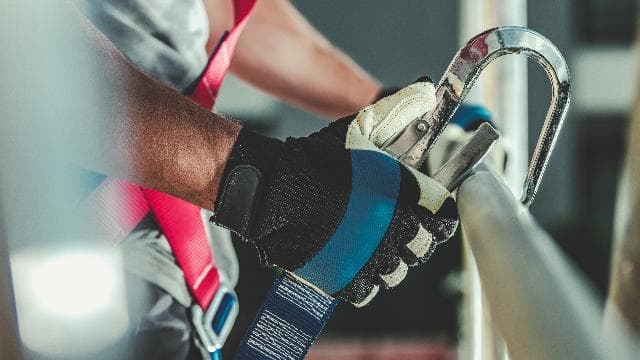
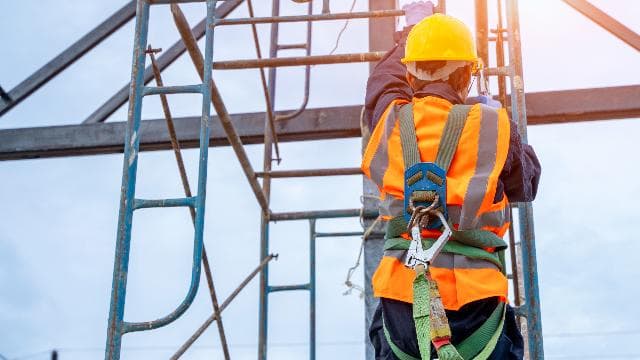
Workers performing elevated tasks need more than generic PPE awareness. Training should cover harness fit, anchor compatibility, connector use, swing-fall risk, and clearance calculations. These details directly affect outcomes when incidents occur, especially in constrained or changing worksites.

Supervisors should verify that selected systems match task geometry and rescue capabilities, not just inventory availability. Strong programs also define inspection discipline and rejection criteria for damaged components. This keeps fall protection controls practical and enforceable in daily operations.

Working at Heights Refresher and Recertification Planning

Working at heights refresher planning is most effective when based on risk signals rather than calendar reminders alone. Refresher triggers can include role changes, procedure updates, incident trends, or prolonged gaps in elevated work. This approach keeps training aligned with actual exposure.

Organizations should document refresher rationale and completion status by role and site. Records support due diligence and help avoid last-minute access issues on client projects. Combining refresher plans with supervisor coaching improves field consistency and helps prevent drift in critical behaviors.

Combining Fall Protection with Confined Space and LOTO

Many high-risk tasks involve overlapping hazards. Fall protection may intersect with confined space entry, isolation controls, or suspended work access. Training pathways should reflect these overlaps so workers can recognize compound risk and escalate appropriately when controls conflict.

A practical strategy is to bundle fall protection with related topic pages such as confined space, WHMIS hazard communication, and construction field safety. Interlinked pathways reduce duplicate training while preserving role relevance. This produces stronger decision-making than siloed course assignment models.

Fall Protection Training Matrix for Employers and Prime Contractors

Prime contractors and employers benefit from defining fall protection requirements by task class, access method, and supervision level. Workers exposed to open edges, elevated platforms, or temporary access systems should receive role-specific instruction before deployment. A training matrix makes assignment decisions faster and easier to defend when project scopes change.

Matrix reviews should be tied to permit planning, subcontractor onboarding, and client prequalification checks. This creates a repeatable process for maintaining competence across shifting crews. Linking matrix categories with confined space, rigging, and construction field safety pathways helps prevent gaps when work packages overlap.

Common Fall Protection Search Terms and Training Sequencing

Frequently used terms include fall protection training online Canada, working at heights refresher, aerial lift certification, MEWP training, harness inspection training, and anchor point safety. Using these phrases in internal planning helps supervisors translate job requirements into clear course assignments for workers and subcontractors.

Sequencing should move from baseline awareness to equipment-specific instruction and then to supervisory oversight content. Pairing fall protection with confined space and construction field safety modules supports better planning for overlapping hazards. Interlinked sequencing improves readiness while reducing duplicate assignments that do not add practical value.

Related compliance pathways: Forklift & Mobile Equipment Training, Confined Space, H2S & Gas Detection Training and Construction Site & Field Safety Training.

Popular Courses For This Topic

Browse related online courses and open any course for full details.
Aerial Platform – Boom & Scissor1h 45m

Aerial Platform – Boom & Scissor

$99.99 CAD

Details4.7(17308)
Fall Protection Training3h

Fall Protection Training

$78.99 CAD

Details4.6(10859)
Fall Protection3h

Fall Protection

$99.99 CAD

Details4.6(3721)
Aerial Boom & Scissor Lift Pre-Shift Inspections15 min

Aerial Boom & Scissor Lift Pre-Shift Inspections

Free

Details4.7(3271)
Fall Protection (Alberta)3h

Fall Protection (Alberta)

$99.99 CAD

Details4.5(2225)
Aerial Work Platform (AWP) Certification4h

Aerial Work Platform (AWP) Certification

$98.99 CAD

Details4.6(2070)
Fall Protection (Awareness)150-240 min

Fall Protection (Awareness)

$99.99 CAD

Details4.5(1704)
Aerial Lift Safety - MEWPs (CAN)1h 30m

Aerial Lift Safety - MEWPs (CAN)

$99.99 CAD

Details4.6(1545)
Fall Protection (OSHA)2h

Fall Protection (OSHA)

$149.99 CAD

Details4.6(1218)
Fall Protection in Industrial and Construction Environments30 min

Fall Protection in Industrial and Construction Environments

$49.99 CAD

Details4.5(1187)

Related Topics

View all topics

Topic

Forklift & Mobile Equipment Training

Topic

Confined Space, H2S & Gas Detection Training

Topic

Construction Site & Field Safety Training

Also Browse by Industry

Use industry hubs to view course groupings for sector-specific search intent.

View all industries

Frequently Asked Questions

Is fall protection training mandatory in Canada?

In many work-at-height situations, employers require fall protection training before workers begin tasks. Exact obligations depend on work type, site conditions, and applicable regulations or client standards, but height-related risk controls are usually treated as non-negotiable. Employers are expected to provide training that fits the hazard profile and ensure workers understand equipment use, planning steps, and emergency response procedures. In practice, projects often verify training before access is granted. If your role includes elevated work, completing fall protection training early is the safest way to avoid mobilization delays.

What is the difference between Working at Heights and fall protection courses?

The distinction usually comes down to jurisdiction, project policy, and course scope. Working at Heights programs are often tied to specific provincial frameworks and may include defined competency elements. Fall protection courses can be broader and may focus on hazard recognition, equipment fundamentals, and safe work planning across multiple contexts. Many employers choose whichever format aligns with legal obligations and client requirements for the site. If you work across provinces or projects, you may need more than one credential type over time. Always verify the exact training title accepted by the hiring organization.

Do I need separate training for boom and scissor lifts?

Many employers use combined aerial platform courses, but authorization still depends on equipment type, controls, and site conditions. Boom and scissor units behave differently, so workers should be trained for the machines they will actually operate. A combined online course can cover shared principles, while practical familiarization confirms competence on specific units. In contractor environments, clients may request documented evidence for MEWP or AWP competency before access is granted. If your team uses multiple lift types, assign broad theory first, then complete targeted practical checks for each relevant machine category.

Is online aerial lift training enough, or is practical assessment also required?

Online training is commonly used for theory, but many employers also require practical assessment before authorizing operation. Theoretical learning helps with hazard recognition, controls, and planning, while practical checks confirm safe behavior during maneuvering, positioning, and emergency response. This blended approach is common on projects where site-specific conditions can vary widely. Employers often document both completion and practical sign-off to support due diligence. If you are preparing for immediate work, complete online training first and confirm practical evaluation timing with your supervisor or training coordinator.

How often should fall protection or aerial lift training be refreshed?

Refresh intervals vary by employer and site risk profile, but many organizations retrain periodically or after significant changes. Common triggers include equipment updates, incident trends, task changes, long inactivity, or client contract requirements. In high-risk sectors, employers often prioritize recent training records during audits and pre-job checks. Refreshers are not just administrative; they help reinforce critical behaviors before workers return to elevated tasks. A planned refresher cycle is usually more reliable than waiting for a project deadline. For crews moving between sites, current records reduce onboarding friction and improve access speed.

Do supervisors need fall protection training if they are not climbing?

Supervisors are often expected to understand fall protection controls even when they are not performing elevated work themselves. They make decisions about task sequencing, hazard controls, and permit conditions that directly affect worker safety. Without training, supervisors may miss planning gaps or fail to enforce critical requirements consistently. Many employers therefore assign supervisor-level fall protection instruction as part of leadership accountability. This improves pre-task briefings, incident prevention, and documentation quality. In projects with strict client oversight, supervisor competency is frequently reviewed alongside worker qualifications during audits or pre-access checks.

What proof is usually needed to access client sites for work at heights?

Client sites typically request clear training records, and many require proof before workers can start elevated tasks. Depending on the project, this may include course completion documentation, internal authorization status, and evidence of practical competency checks. Some sites also verify role alignment, ensuring training matches assigned duties rather than generic completion only. Keeping records organized and accessible is important for fast mobilization. For companies operating across multiple clients, a centralized digital record process usually works best. It helps supervisors confirm readiness quickly and reduces avoidable access delays during project startup.

Can one fall protection course cover projects in different Canadian provinces?

A single course can provide strong foundational knowledge, but acceptance depends on each project's specific requirements. Core fall hazard principles are transferable, yet client policies and provincial expectations may still require additional or named training formats. Multi-province employers often use a layered approach: one common foundation plus project-specific add-ons where needed. This keeps training efficient while still meeting local expectations. If your team travels between provinces, verify requirements early during planning. Doing so prevents last-minute retraining and helps maintain predictable deployment timelines.