Topic
Confined Space, H2S & Gas Detection Training
Confined space and gas-related hazards require role-specific training and clear procedures. This page helps you choose practical online courses for awareness, monitoring, and high-risk work support roles.
Compliance Overview
Confined Space Training Online in Canada
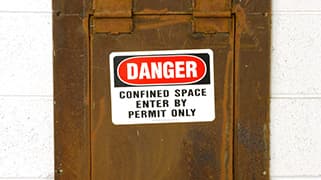
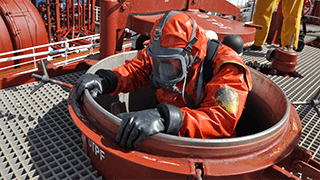
A confined space is usually an enclosed or partially enclosed area that is not intended for continuous occupancy and can develop serious hazards during work. Tanks, pits, vaults, vessels, and utility spaces can all qualify depending on task conditions and atmospheric risk.
Across Canada, employers are expected to identify confined spaces, assess hazards, and apply role-specific controls before work starts. For many teams, confined space training online is the fastest way to align workers on hazard recognition, permit triggers, and safe decision-making.
Confined Space Certification Canada: Who Needs It?
Confined space certification Canada pathways should be role-based, not one generic requirement for every worker. Entrants, attendants, supervisors, and contractors each need different training depth. A confined space awareness course is a practical starting point, then role-specific modules should be added for active entry or oversight duties.
- Entrants: hazard recognition, permit conditions, PPE controls, and exit triggers.
- Attendants/monitors: atmospheric checks, communication continuity, and escalation discipline.
- Supervisors/permit issuers: pre-entry verification, control validation, and stop-work decisions.
- Contractors/subcontractors: host-site alignment and emergency procedure consistency.
H2S Training in Canada: When Is It Required?
H2S training is commonly required in energy, industrial, and wastewater operations where sulfur-containing gases may be present. If a credible H2S exposure pathway exists, workers should be trained before deployment and follow site alarm-response rules immediately.
Gas Detection Certification Online: Core Responsibilities
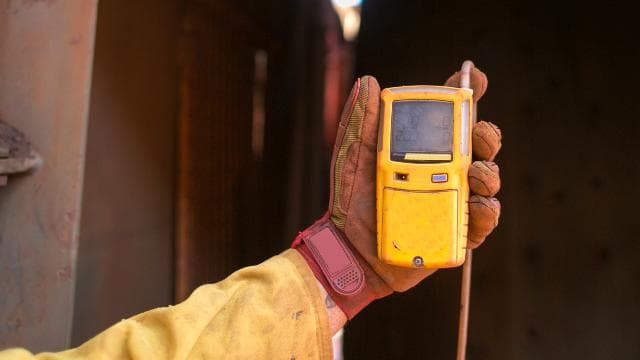
Gas detection certification online should prepare workers for pre-entry testing, continuous monitoring, alarm escalation, and documentation expectations. Strong programs focus on practical execution: detector checks, bump-test awareness, and immediate stop-work response when readings move outside safe limits.
Related compliance pathways: WHMIS Online Training, Fall Protection & Aerial Lift Training and Construction Site & Field Safety Training.
Available Online Confined Space & H2S Courses
Our online confined space training courses include confined space awareness course options, role-specific modules, H2S training programs, and gas detection certification online for industrial worksites. Courses are self-paced, mobile-friendly, and available immediately after enrollment.
Popular Courses For This Topic
Browse related online courses and open any course for full details.
2hH2S
$99.99 CAD
1h 15mGas Detection
$99.99 CAD
4h 20mConfined Space Entry and Monitor
$87.99 CAD
2hDetection and Control of Flammable and Toxic Atmospheres
$99.99 CAD
2h 30mConfined Space Entry (Alberta)
$89.99 CAD
3hConfined Space Entry and Monitor (SCS)
$109.99 CAD
1hConfined Space Entry Awareness
$49.99 CAD
Related Topics
View all topicsTopic
Fall Protection & Aerial Lift Training
Topic
Construction Site & Field Safety Training
Also Browse by Industry
Use industry hubs to view course groupings for sector-specific search intent.
Frequently Asked Questions
Does confined space awareness training allow me to enter a confined space?
Not always. Awareness-level training is usually designed to help workers recognize confined space hazards and understand basic controls, but it may not authorize entry tasks by itself. Entry authorization typically depends on employer procedures, permit systems, hazard assessments, and role-specific competencies for entrants, attendants, and supervisors. Many organizations use awareness courses as a foundation, then require additional training before workers participate in active entry operations. If your role includes actual entry, confirm your employer's specific competency path and permit requirements rather than assuming an awareness certificate alone is sufficient.
What is the difference between confined space entrant and monitor training?
Entrant and monitor roles have different responsibilities, so training scope is usually different as well. Entrants focus on task execution inside or near the space while following permit controls, PPE requirements, and communication protocols. Monitors or attendants focus on external oversight, atmospheric checks, communication continuity, and emergency escalation steps. In many operations, a worker trained only as an entrant is not automatically prepared for monitoring responsibilities, and vice versa. Employers typically define role-specific training to avoid gaps during high-risk work. Clarifying role boundaries before work starts is a key incident-prevention step.
Is H2S training mandatory for energy and industrial operations in Canada?
In many energy, industrial, and field environments, H2S training is treated as mandatory because of the severity of potential exposure. Specific legal and contract expectations can vary by sector, client, and province, but employers commonly require H2S competency before workers access sites with potential sour-gas risk. Even outside energy projects, employers may require H2S awareness where atmospheric risks exist. Training is usually combined with site orientation and emergency response procedures. If your assignment includes high-risk locations, confirm requirements before mobilization to avoid access delays.
How often should confined space and H2S training be refreshed?
Refresh timing depends on role, hazard profile, and employer policy, but most organizations review training regularly rather than treating it as one-and-done. Common refresher triggers include procedure updates, new equipment, incident findings, long inactivity periods, and role changes. Because confined space work is high risk, employers often prioritize current competency evidence for entrants, monitors, and supervisors. In practical terms, recent training helps teams respond faster and more consistently when conditions change. If your work schedule involves intermittent confined space tasks, planned refreshers are usually safer than waiting until a critical job is imminent.
Can confined space and gas detection training be completed online?
Many employers use online delivery for foundational knowledge, including hazard awareness, atmospheric risk concepts, and procedural expectations. Online training is especially useful for onboarding and refresher preparation because it standardizes content and reduces scheduling delays. Depending on the role, employers may add practical components such as equipment familiarization, permit workflow walkthroughs, and emergency drills. For high-risk assignments, theory-only completion is often not the full competency package. A practical approach is to complete online modules early, then confirm any required practical steps with your supervisor or safety coordinator before field deployment.
Does gas detection training include bump testing and calibration concepts?
Strong gas detection training usually covers core concepts such as sensor limitations, response interpretation, and routine functional checks like bump testing. Calibration responsibilities, frequency, and documentation procedures can vary by organization and equipment model, so many employers pair generic training with site-specific device procedures. Workers should understand what readings mean, how to respond to alarms, and when equipment should be removed from service. This is especially important in confined space and process environments where atmospheric conditions can change quickly. Clear detector competency supports safer decisions during pre-entry checks and active monitoring.
Do contractors need confined space rescue training before going to site?
Requirements vary by role and contract scope. Some contractors need only awareness and role-specific permit training, while others may need additional rescue-related competency depending on task assignment and site expectations. Many clients require contractors to align with the site's rescue plan even if an internal rescue team is designated. At minimum, workers should know alarm response, communication escalation, and emergency evacuation procedures relevant to their role. Before mobilizing, confirm contract documents and site rules so your training package matches access requirements and avoids last-minute disqualification at orientation.
If my site has no permit-required confined spaces, should I still train?
Many employers still assign confined space awareness even when no permit-required entries are planned at the moment. Work conditions change, project scopes shift, and subcontractor activities can introduce space-related hazards unexpectedly. Awareness training helps workers recognize warning signs, avoid unauthorized entry, and escalate concerns quickly. It also supports supervisors in pre-job planning when unusual tasks arise. In dynamic industrial settings, this baseline competency can prevent risky assumptions and reduce delays when access conditions change. A small upfront training investment often improves readiness and decision quality across the entire crew.
Should confined space training be paired with fall protection or WHMIS?
In many operations, pairing is a smart approach because hazards overlap in real tasks. Confined space work may involve access systems, chemical exposure, isolation controls, or elevated work conditions depending on the environment. Combining confined space foundations with WHMIS, lockout/tagout, and fall protection training can produce better decision-making than standalone modules. Employers often build role-based bundles so workers complete only the courses relevant to their duties. This reduces training fatigue while still improving risk control. If you are assigning for teams, start with role analysis and then build targeted combinations rather than generic bulk enrollment.
